
Polyacrylamide Emulsion Articles and Operating Guides
Eight practical guides covering liquid PAM form, inversion, powder comparison, dose, storage, troubleshooting, commissioning and purchasing.
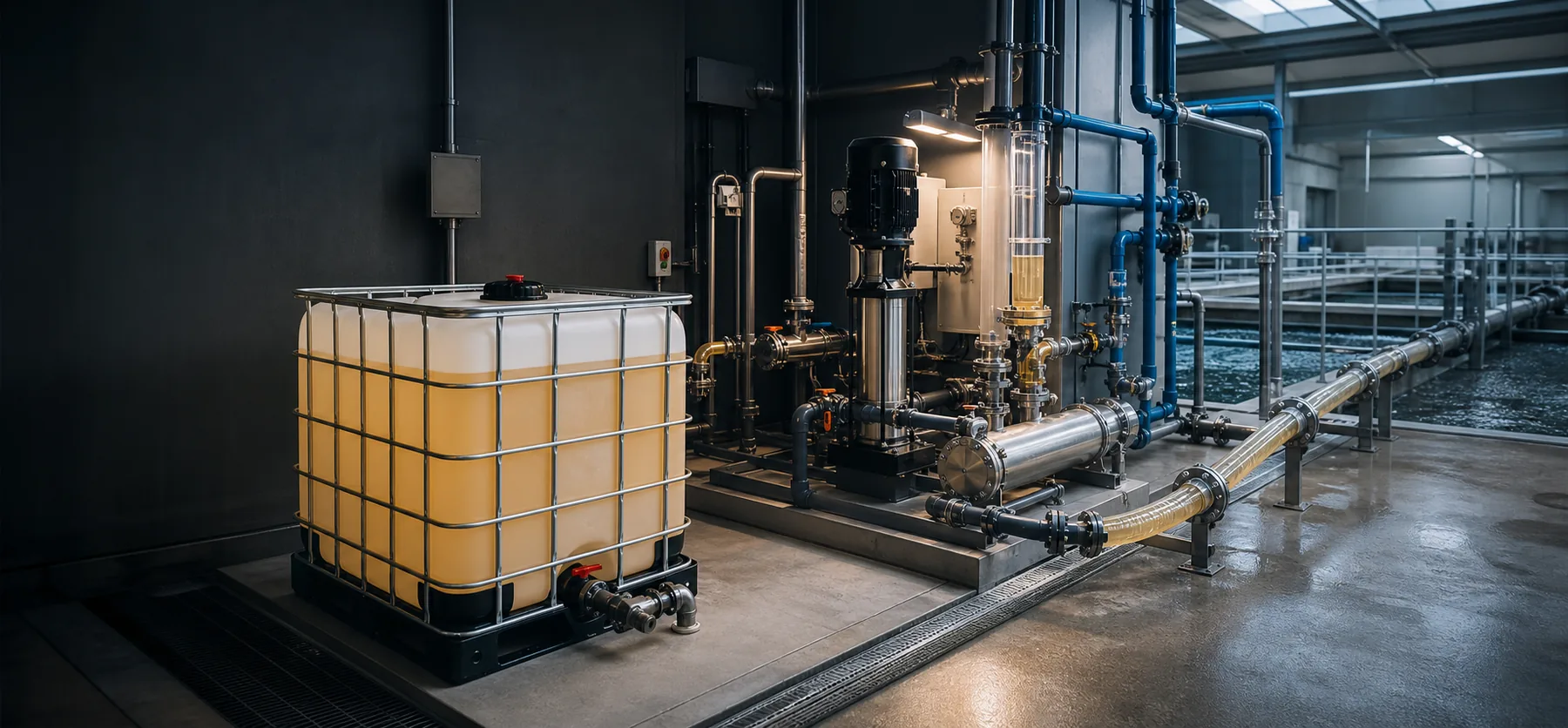
What Is Polyacrylamide Emulsion? Product Form and Use
Understand inverse polyacrylamide emulsion structure, ionic profiles, activation, process uses and the evidence needed before product selection.
Open process file →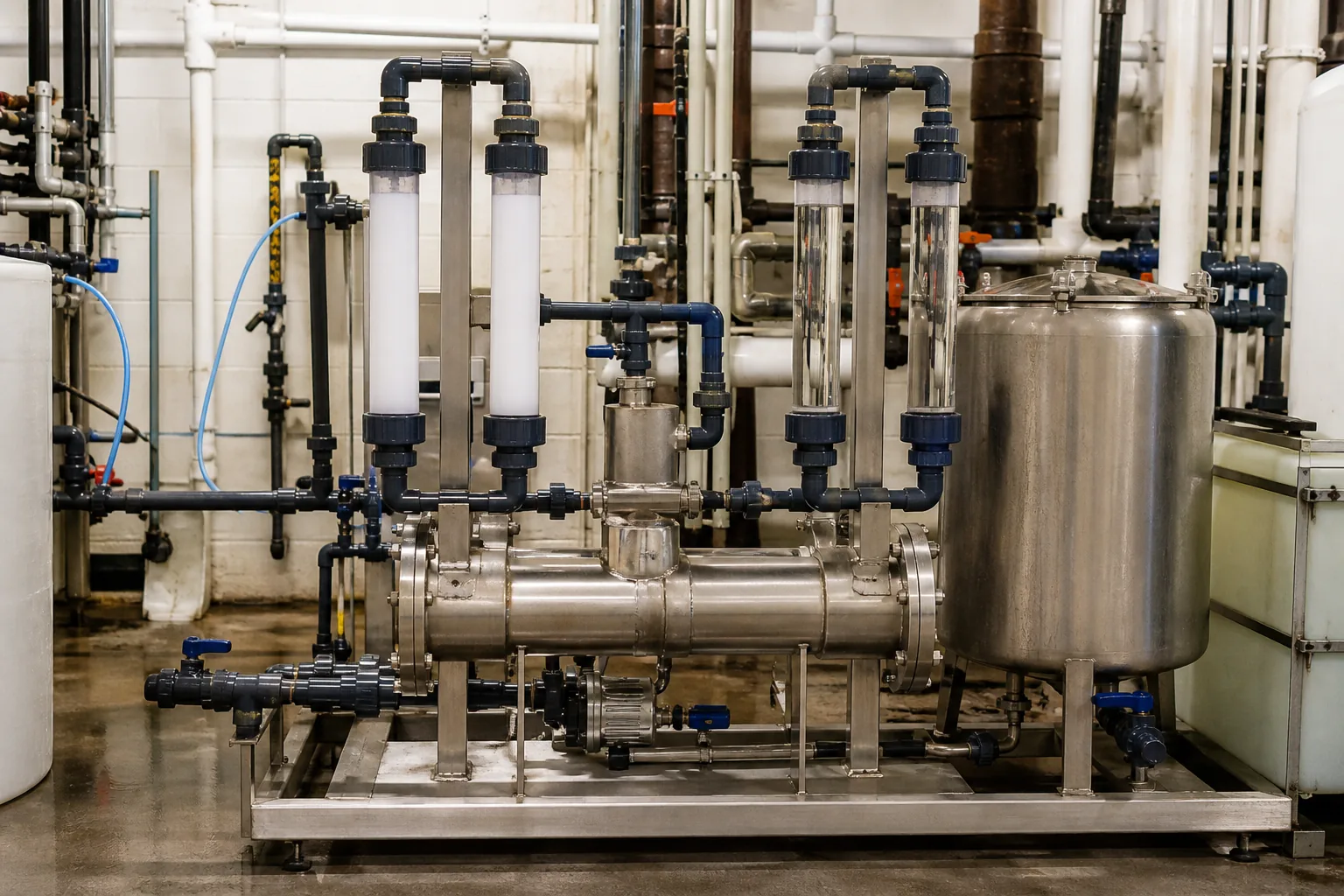
Polyacrylamide Emulsion Inversion and Solution Preparation
Prepare polyacrylamide emulsion through controlled water contact, dispersion, aging and dilution while diagnosing incomplete activation.
Open process file →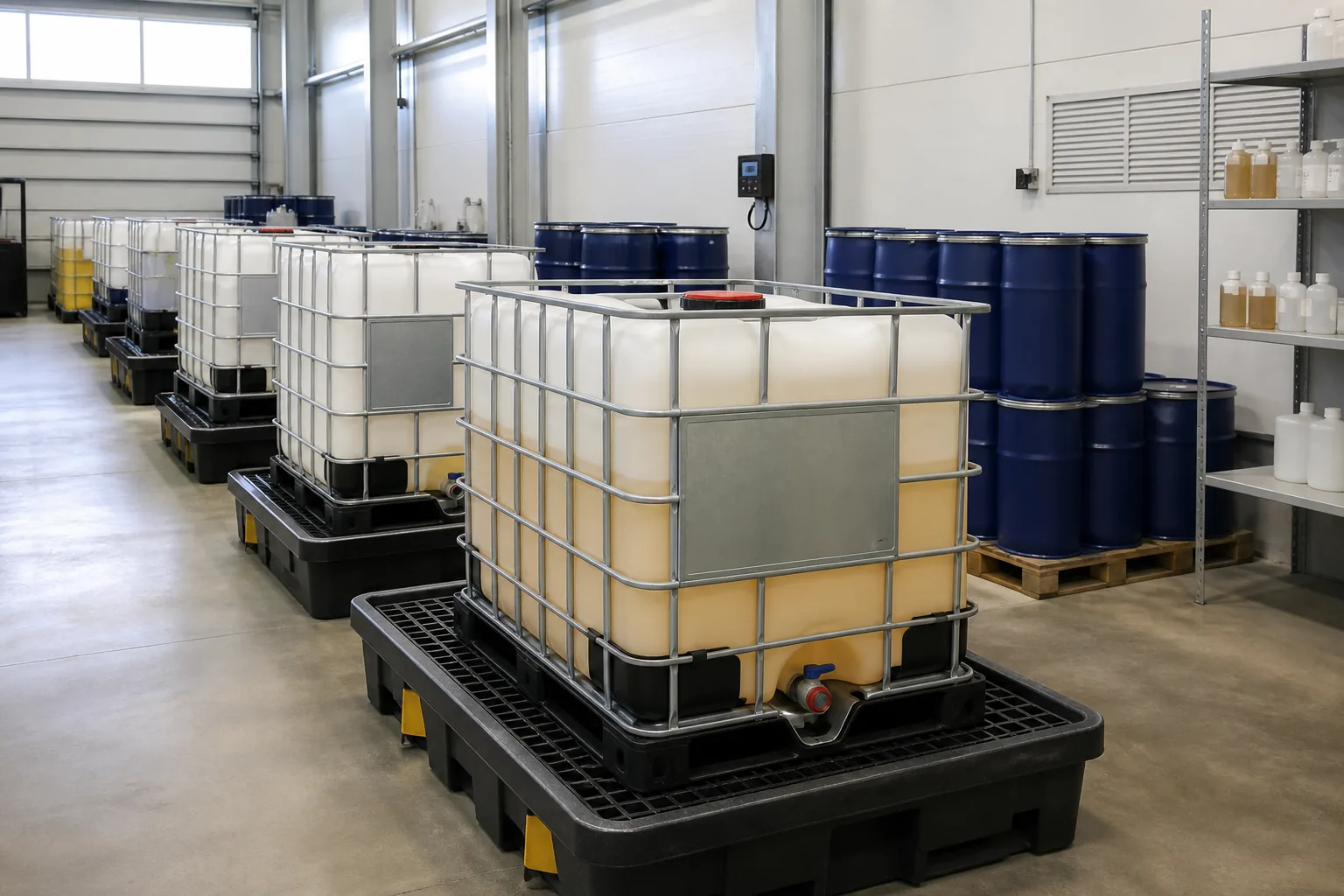
Polyacrylamide Emulsion vs Powder: Selection and Cost
Compare PAM emulsion and powder by activation equipment, active basis, storage, response time, freight and demonstrated treatment performance.
Open process file →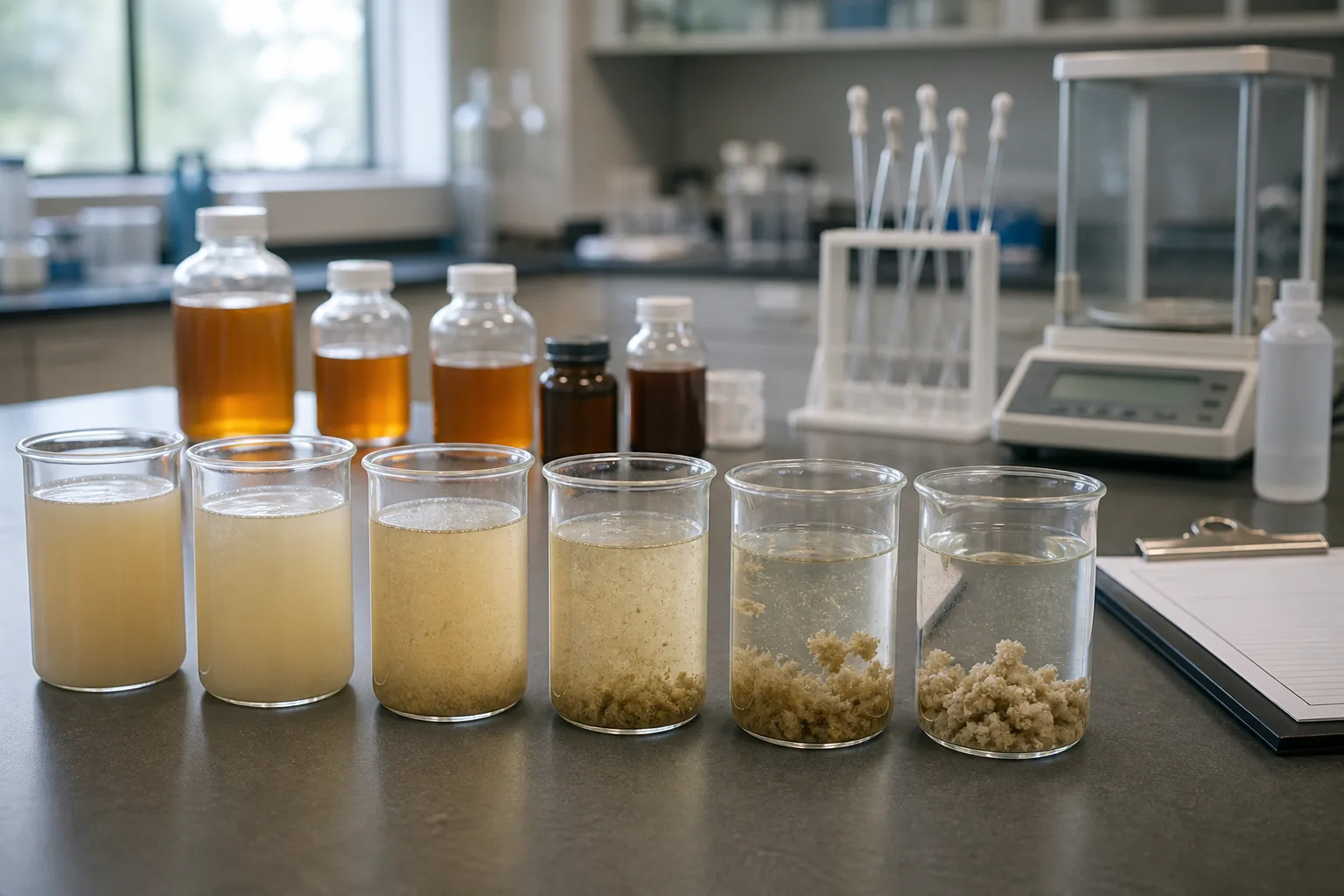
How to Calculate Polyacrylamide Emulsion Active Dose
Calculate liquid PAM emulsion use from neat flow, active basis, feed flow and dry solids, then verify the result through calibrated trials.
Open process file →Polyacrylamide Emulsion Storage, Handling and Transfer
Plan PAM emulsion receiving, temperature control, turnover, secondary containment, transfer and sample traceability for drums and IBCs.
Open process file →Polyacrylamide Emulsion Inversion Troubleshooting
Diagnose deposits, unstable pressure, weak floc and high dose by separating product condition, water contact, pump delivery and process changes.
Open process file →Polyacrylamide Emulsion Dosing System Commissioning
Commission liquid PAM storage, metering, inversion, aging and injection with verified flows, interlocks and process acceptance endpoints.
Open process file →Polyacrylamide Emulsion Supplier Specification Checklist
Compare liquid PAM suppliers through product identity, active basis, ionic profile, inversion guidance, packaging, samples and delivered treatment cost.
Open process file →