
Keep identity and performance separate
A specification describes product and lot controls; it cannot guarantee one wastewater result. Pair product code, ionic profile, declared active basis and physical controls with a representative application trial.
Preserve sample lot and method so the quoted commercial grade remains connected to the evidence.
Ask how values are measured
Charge, viscosity, active content and other indicators depend on method and conditions. Request units and test basis before comparing numbers from different suppliers.
Define which fields are routine COA controls and which are application data from the sample trial.
Review inversion requirements
Obtain grade-specific guidance for water contact, concentration, aging, dilution and temperature. Confirm compatibility with the intended pump, skid and water source.
A product that performs in a supplier-prepared solution may fail commercially if the plant cannot reproduce activation.
Qualify package and storage
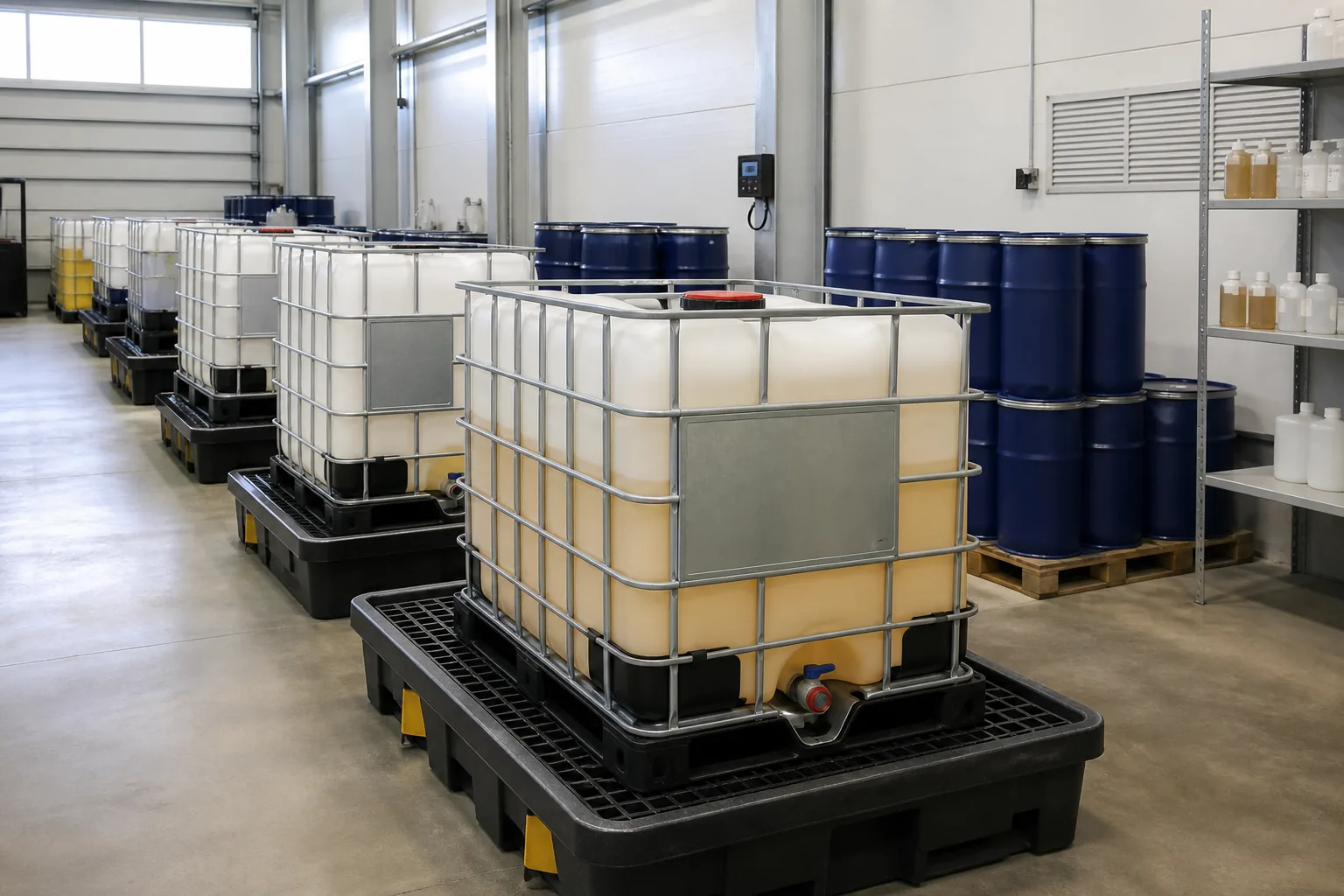
Confirm drum, IBC or bulk option, net quantity, closure, secondary handling, stated storage conditions and expected turnover. Request current SDS and TDS in the required language.
Include destination climate and freight route rather than evaluating the container only at the factory gate.
Calculate delivered treatment cost
Convert delivered price to cost per verified active polymer and multiply by the active dose needed for the same endpoint. Add freight, residual package loss, storage, inversion maintenance, throughput, sludge disposal and downstream load.
Keep currency, trade term, validity and package assumptions visible.
Protect sample-to-shipment continuity
Require clear product and lot identification across sample, quotation, order documents and shipment. Retain an approved sample according to the buyer's qualification plan.
If the formulation or product code changes, review whether requalification is required rather than accepting a descriptive equivalent automatically.
Send a complete RFQ
Include application, feed analysis, current chemistry, separator, active dose, inversion system, measured target, sample need, expected consumption, package, documents and destination.
A complete brief reduces unsuitable samples and makes technical and commercial offers comparable.
Build a comparison matrix
Place each product code, ionic profile, active basis and method, preparation guidance, package, storage statement, sample lot and quotation term in one table. Keep blank cells visible rather than filling them with assumptions. Add application results only from comparable trials.
Separate mandatory requirements from preferences so a low commercial total cannot obscure missing identity, unsuitable packaging or untested inversion.
Define receipt and change control
State which documents, product code, package condition and COA fields are checked before a lot enters service. Assign responsibility for deviations and retained samples. If formulation, code or preparation guidance changes, assess whether requalification is required.
This path protects continuity without pretending every lot is physically identical and gives operations a documented response to exceptions.