
Set the purchase boundary
The correct reorder quantity balances continuity against the time liquid polymer will remain in storage. Shelf life is grade- and condition-specific; procurement should obtain the supplier statement and review actual package history instead of applying one generic period to every emulsion.
Identify the proposed commercial grade and the operating condition that must be demonstrated before an order is released.
Establish usable stock
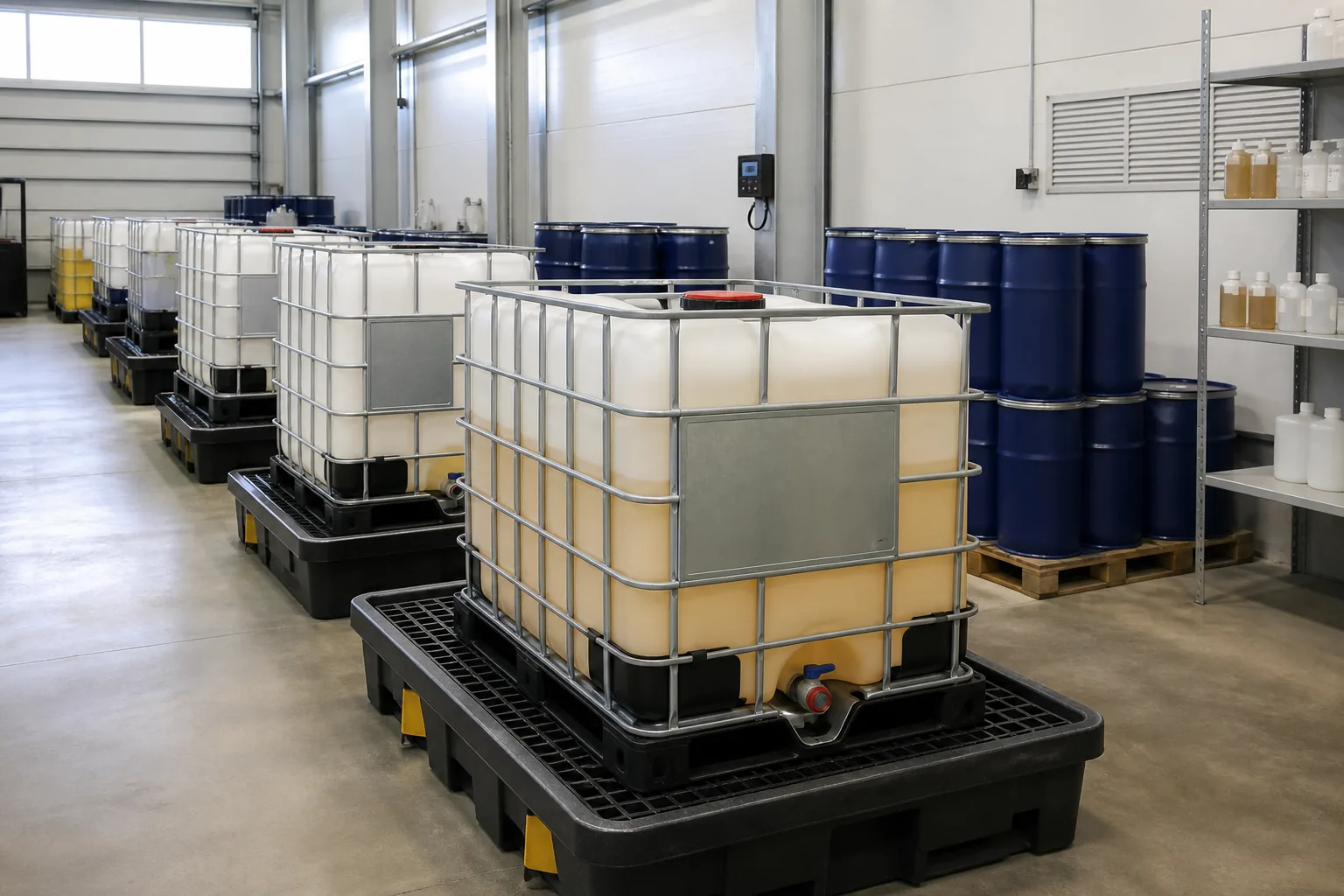
Count identified released packages separately from held, damaged or uncertain material. Record receipt and manufacturing information where provided, storage location and stated limitations. The storage guide provides the receiving and rotation context.
Use an agreed rotation rule that respects product dates and condition. An inventory total without lot identity can overstate how much material is genuinely available for use.
Model demand and replenishment
Use calibrated commercial-product consumption at normal and difficult loads. Include delivery variability, receiving time and any planned trial or maintenance demand. Evaluate order size against actual turnover rather than purchasing a maximum discount quantity by default.
Keep contingency stock and routine order quantity distinct. A planning allowance is not evidence that old or poorly stored product remains suitable.
Review exposure before seasonal orders
Consider transport, outdoor staging, warehouse and transfer-line temperatures separately. Obtain product-specific guidance for the route and site. Confirm how questionable material will be isolated and evaluated rather than relying on a routine agitation practice to correct every condition.
Revisit the plan after a new grade changes commercial usage or after a process change alters solids load; the old replenishment interval may no longer apply.
Check the difficult case
A site may have several months of nominal stock but little released inventory if older packages have uncertain temperature history. Buying another large lot without resolving the existing stock does not establish continuity and can increase both exposure and disposal burden.
Keep unresolved limitations in the qualification record instead of presenting a proposed benefit as an established operating result.
Record the acceptance evidence
| Check | Evidence | Decision |
|---|---|---|
| Stock | Identified and released lots | Usable quantity known |
| Demand | Measured use and delivery variability | Order size fits turnover |
| Conditions | Grade guidance and exposure record | No generic shelf-life promise |
Retain the sample code, lot, preparation method and measured feed with the purchasing decision. Compare subsequent deliveries with that record, using the same test conditions wherever practicable.
Request a scoped offer
Provide usage history, seasonal load, storage conditions, inventory by lot and delivery destination. Request the offered grade storage statement and realistic replenishment terms before setting a standing purchase schedule.
Send the evidence through the sample and quotation form. Review packaging and lot controls with Gongyi Xinqi Polymer Co., Ltd., and confirm grade availability and order terms before committing.